Share this Post
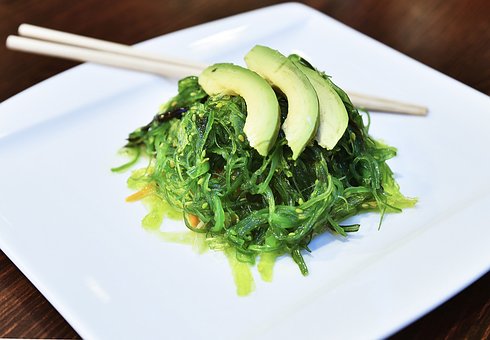
Food revolution
Over the last 30 years there has been a massive change in our diets.
I've no doubt that some of our older relatives had not even heard of certain foods we consume today on a regular basis.
Pasta was a exotic dish that made a change from the meat and two veg or stew.
Not that there is anything wrong with the traditional food. They are still firm favourites today, but people began to be more adventurous.
Holidays abroad became more affordable, so we were exposed to a variety of new tastes and dishes.
There is such a varied mix of cultures now in many countries around the world. In these communities specialist shops cropped up selling the required herbs, spices and ingredients required to cook their traditional dishes.
Restaurants offering these multi-cultural cuisines became very popular and so more people wanted to cook their own.
The supermarkets reacted to this change, supplying their customers with many of the items required to prepare these recipes. In addition a lot of prepared meals began appearing on our supermarket shelves.
Once that bold step had been taken, then the floodgates opened and the rest is history.
Even now, there are still changes taking place. Due to environment issues there have been a number of debates surrounding the sustainability of our current diet.
What is edible and what isn't?
The thought of eating insects may seem disgusting, but there is a growing consensus that they are actually good for us.
Full of protein and actually very tasty although not very appertising.
Insects are part of the diet for millions of people today. Maybe not in Western countries but certainly elsewhere.
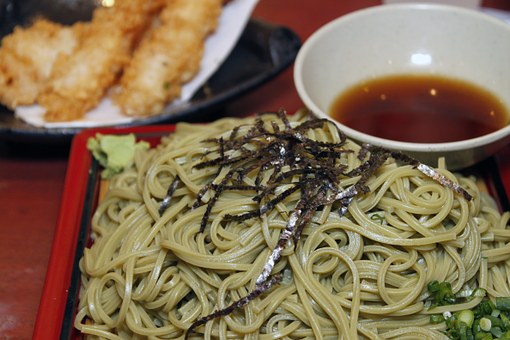
Superfood
There are many other food sources that not all cultures subscribe to.
Once a poverty food, seaweed is now a sought after ingredient containing a savory taste, umami. Umami is the 'fifth taste', together with sweetness, sourness, bitterness, and saltiness.
In Asia for instance, seaweed is not only popular but a stable part of the diet. Seaweed is packed with vitamins and is a concentrated source of calcium and iodine. The superfood contains 46 minerals, 16 amino acids and 11 micro-nutrients, it has also been found to have natural antioxidant properties.
What a mouthful! Still at least it is good for you and it is very low in calories.
Unfortunately many of us have only tasted crispy seaweed served at a Chinese buffet, which isn't really seaweed.
Asian cuisine uses seaweed in a variety of well known dishes and snacks.
Nori
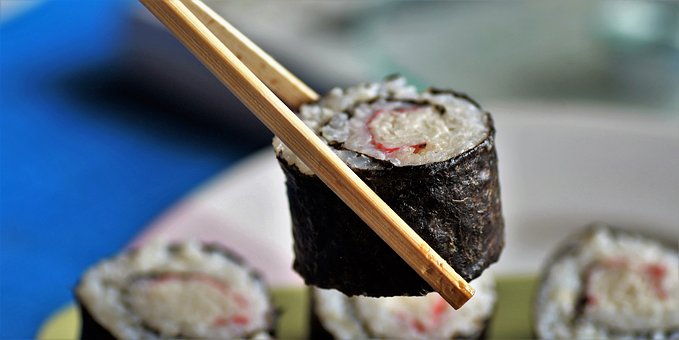
When it comes to Sushi, the seaweed of choice is Nori.
The Japenese word for an edible seaweed from a species of red algae called Porphyra
Used as a wrap for sushi rolls and onigiri and as a garnish in various soups especially Ramen.
Kombu
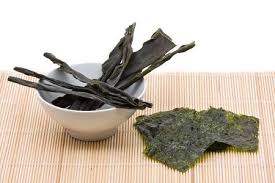
Edible Kelp, sold dried or pickled in vinegar it is usually available in wide or square strips.
One of the three main ingredients in the Japanese soup stock dashi and used as a seasoning for sushi rice.
Also used in tea and on its own with soy sauce and mirin.
Wakame
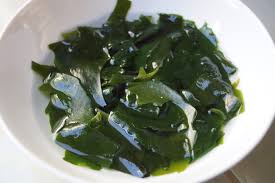
Used in many Korean and Japanese soups it expands in size when cooked.
A very versatile sea vegetable that can be used as a garnish, side dish or added into seaweed salads.
It isn't only Asia that utilises seaweed in cooking though. Other cultures from the British and Irish Isles to Canada and Norway appreciate seaweed as well, but on a much smaller scale.
Dulse
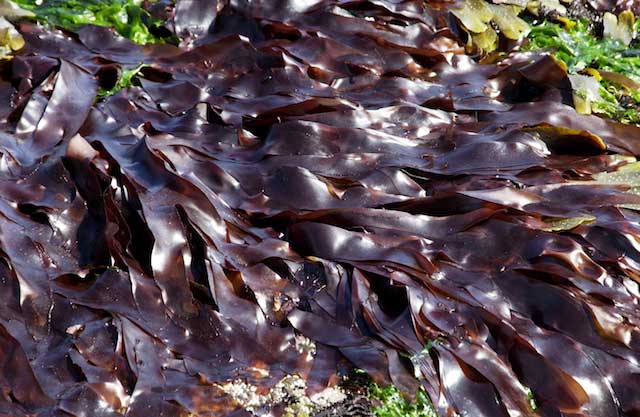
With a high protein content, dulse contains all the trace elements required, but is low in calories.
It can be eaten raw and when cooked, many say it has a similar taste to bacon. It is mostly available dried and used for seasoning.
Laver

It is best known as a key ingredient when making the traditional Welsh dish, laverbread. Similar to Nori, it is also used with Sushi.
Irish Moss
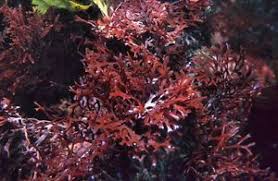
Known as carrageen, or carraigín, "little rock" in Irish Gaelic. It is the equivalent of a vegan gelatine. Acts as a great thickener or setting agent and is used in lots of different food products.
It appears that most of us are already benefiting from seaweed, in an anonymous way. Be it as a thickener and emulsifier.
A growing number of people are beginning to realise the nutritional and health benefits of these and other sea vegetables though. In the future I expect to see them become much more prevalent within our diets.