Share this Post
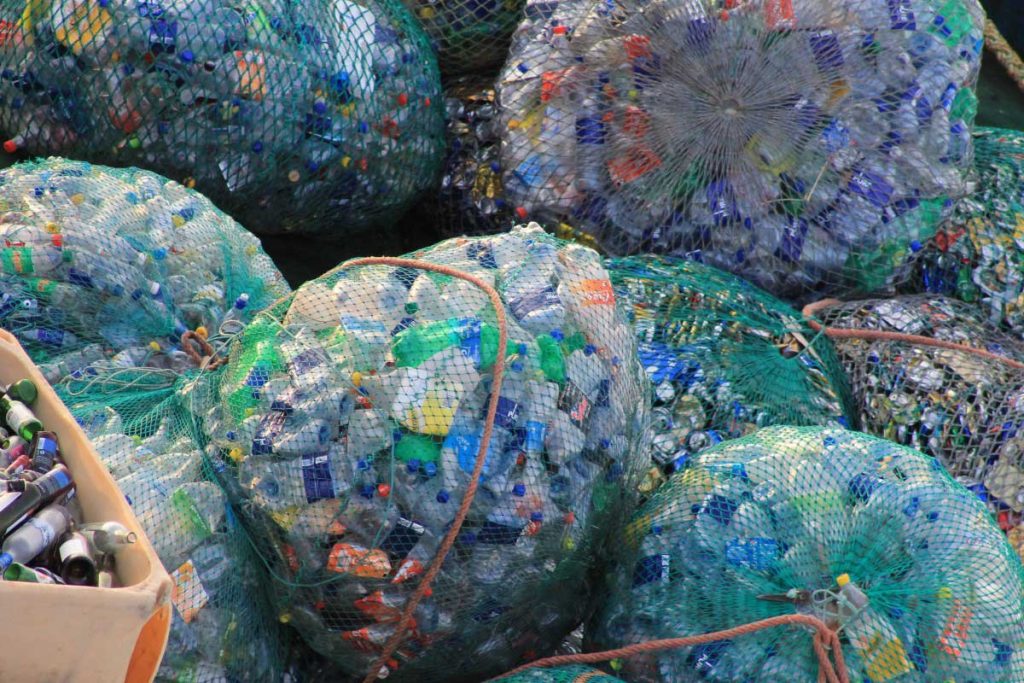
In the past couple of years there has been a lot of publicity surrounding the pollution of our seas and oceans with plastic waste.
There are now 100 million tonnes of plastic in the oceans, and 80 to 90 percent of it comes from the land.
A huge public outcry generated a united response from most governments and large corporations pledging that they would reduce their plastic footprint within the next few years.
There was a historic agreement signed in May 2019 – more than 180 governments agreed to amend the Basel Convention on the Control of Transboundary Movements of Hazardous Waste and their Disposal to include plastic waste and improve the regulation of its trade.
More than 1 million people signed a petition to encourage the agreement
However, in the main the changes have been minimal and very slow coming into effect.
Alternative Solutions
It’s not like there aren’t any alternative solutions available that could be implemented. The problem appears to be whether they are viable or not, essentially, financially viable.

For example, most eco-friendly packaging costs more than PET plastic to produce, so who should pick up that additional cost?
Big business is based around profit, it is their raison d’etre. Shareholders want ever increasing returns for their investment so there’s no way a business will take on that cost.
Pass the expense down the line and who is going to want to upgrade or modify their facility for no financial benefit. Yet again from a business perspective it makes no sense.
What about an investment from government? Getting into a relationship with governments usually means lots of red tape and very slow progress. Unless the investment is substantial, many companies will do their best to avoid this partnership.
It would take a very forward-thinking government to invest serious money into an industry that is still very much in its infancy. Many companies have been stung researching and developing 100% biodegradable packaging that has all the qualities of existing plastic products and is cheap to produce.
BASF recently pulled out of the Synvina joint venture (JV) with Dutch renewable chemicals company Avantium due to a disagreement over an investment deadline.
The problem is plastic is so good at what it was designed to do and it’s cheap
A final option would be to pass the cost onto the consumer.
Although there are some consumers that would be prepared to take this on the chin, they are in the minority.
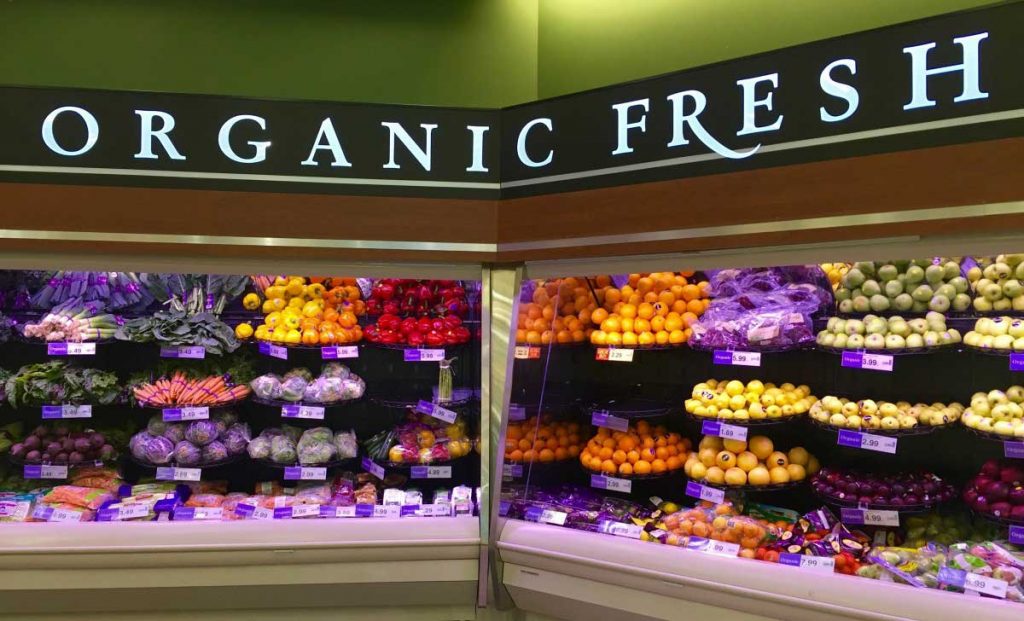
How many people buy organic food if there is a valid alternative that is cheaper?
Biodegradable Packaging
That is where the next problem lies. Not in developing and producing biodegradable packaging, but in being able to sell it in the quantities required to finally make plastic packaging obsolete.
That is almost as big a problem as cleaning the rivers and oceans of the plastic waste we currently have.
However, this is just my opinion and I hope I’m proved wrong. There is hope as the future generations seem to be more environmentally aware and may be more prepared to make the sacrifices required to implement change.


A great ambassador of this environmental awareness is Greta Thunberg. She has been fundamental in inspiring hers and every generation to sit up, take notice and act to address the most urgent issue that the world faces today.
Published in 2018, her book “No One is Too Small to Make a Difference” is a collection of her historic speeches from the United Nations to Capitol Hill that have resonated so much with people around the world.
Her message is clear, we must all fight to protect our living planet, no matter how small and insignificant we feel. Our future depends on it.
Only time will tell.
Comments 4
I found this article to be very informative. I also am looking to come up with an alternative to plastic packaging. I wanted to propose a question too. Would splitting the cost of the non-plastic packaging production between the government, the business, and the consumer work?
Author
Hi
In theory, you’d like to think so
Unfortunately, I believe that if it was feasible it would have been done by now
It will take a visionary who is rich enough to not need to make money initially to take on such a venture
Hi,
I was wanting to source a product that was completely biodegradable in a very short time. I look after the purchasing for an enviromental company and a tubestock nursery so are looking for tubes and pots that can be planted straight into the ground thereby reducing the amount of plastic needed and also providing nutrients to the soil and plant while it is breaking down which happens quickly enough that it does not inhibit growth. IKs that possible? Or something you can help me with
Thanks
Author
Hi,
Sounds like a really good idea
There is a new start up looking to develop these products based in the UK
I’ve added a link: https://seaweedpackaging.com/seaweed-products/